All insights
TCMTransitionsMedicare

How TCM 99495 and 99496 Actually Work — And Why Most Practices Miss the Window

The 30 days after a hospital discharge are the highest-risk, highest-value window in Medicare. Yet fewer than 40% of eligible discharges are billed.
ZOC Medical Clinical Team Jul 31, 2026 8 min read
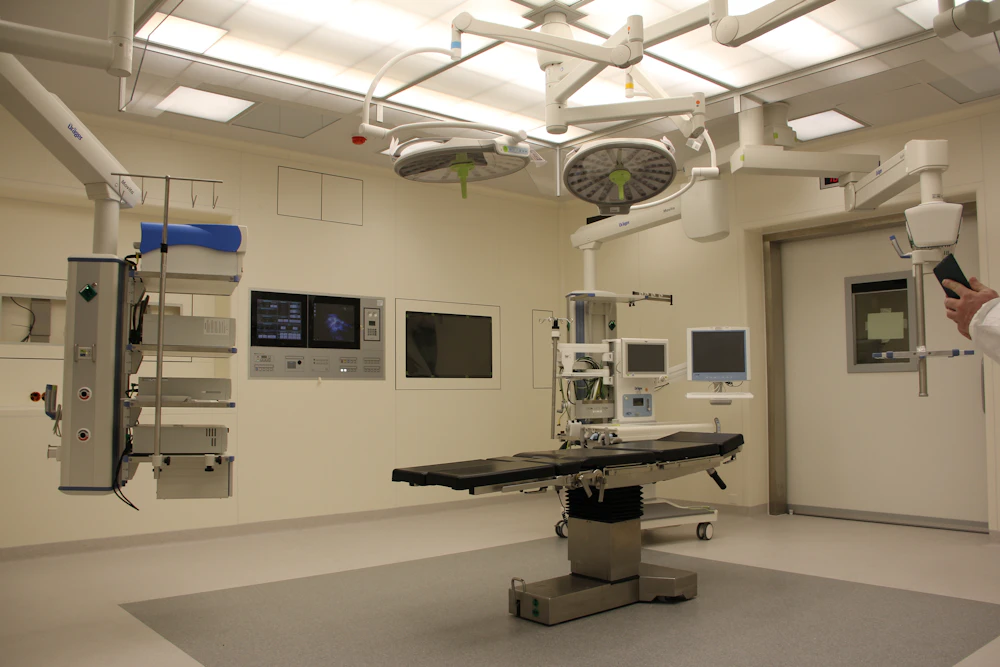
Hospital corridor viewed from the discharge planner's perspective

Transition Care Management is the single most under-billed program in Medicare — not because practices don't care, but because they simply don't know a patient was discharged until it's too late to hit the 2-business-day contact window. When the data flows in real time, that changes.

What TCM actually covers

TCM is a 30-day service period that begins the day of discharge from an inpatient hospital stay, observation stay, partial hospitalization, or qualifying SNF admission. It is billed once per discharge, using one of two CPT codes: 99495 (moderate complexity, ~$204 average) or 99496 (high complexity, ~$281 average). The service period covers the full 30 days of coordination — even though you bill it as a single code.

The three non-negotiable requirements

1. Interactive contact within 2 business days. A qualified staff member must directly speak with the patient or caregiver — voicemail doesn't count. 2. Medication reconciliation on or before the face-to-face visit. Reconcile discharge meds against home meds, EHR history and any newly prescribed regimens. 3. A face-to-face visit — within 7 calendar days for high-complexity (99496) or 14 days for moderate-complexity (99495). Missing any one voids the entire service.

Why timing kills more TCM revenue than compliance

Nearly every practice we audit has the clinical skills to deliver TCM. What they lack is notice. A discharge summary faxed on Friday afternoon lands on someone's desk Monday. The 2-day contact window is already closing. This is why ZOC's HIE integration exists — the moment an ADT feed signals a discharge, the TCM workflow kicks off automatically inside the console, with the 2-day countdown, the med-rec worklist and the pre-drafted face-to-face documentation packet.

How to document TCM cleanly

Auditors look for four things: (a) the date and mode of the 2-day interactive contact, (b) evidence of medication reconciliation before or at the visit, (c) the qualifying face-to-face visit note with its date, and (d) the medical-decision-making complexity that supports 99495 vs 99496. All four should live in a single, dated TCM note — not scattered across the chart.

Stacking TCM with other services

TCM can be billed in the same 30-day window as CCM, APCM, RPM and RTM — with independent documentation. For a discharged patient with heart failure, a single month can compliantly generate TCM 99496 + CCM 99490 + RPM 99457, all from one relationship.

The economics you should expect

A primary-care practice with 15 qualifying discharges per month captured cleanly at 60/40 split between 99495 and 99496 generates roughly $3,500–$4,000 per month in TCM revenue alone — before any downstream CCM, RPM or AWV. And that's before you count the readmissions that don't happen. Run the numbers for your panel in our Sustainability Planner.

See how ZOC pairs the platform with a clinical team to run this — on your panel, under your name.

Book a demo